“The Foundations Beneath Our Streets”

New Jersey, Mirror Of America

New Jersey, ” The Little Giant, “is just twice the size of Yellowstone National Park. It proves that small states can hold immense character. Every mile tells a story of home and heritage. It is varied in geography, climate, industry, history, politics, culture, education…New Jersey reflects in miniature much of the story of the United States. Stated differently, there is no better mirror of America than New Jersey.

That same diversity is what makes New Jersey real estate so unique. From historic towns to modern developments, from quiet suburban streets to vibrant urban centers, every community offers a different way of living—and a different place to call home.

Helping people find where their story belongs in New Jersey’s story is never just a transaction to me. Knowing that a house will hold their celebrations, challenges, everyday moments, and build the next chapter of their lives makes this work personal to me. Real estate isn’t simply about properties — it’s about people. Being trusted with that journey is something I hold with care and gratitude.
 

On my website, I go deeper—sharing the details you won’t find in listings or headlines. From the subtle character of each county to the hidden strengths of individual towns, I uncover what truly sets them apart, so you can make a confident, informed decision about where you belong.

Rivers Managing The World

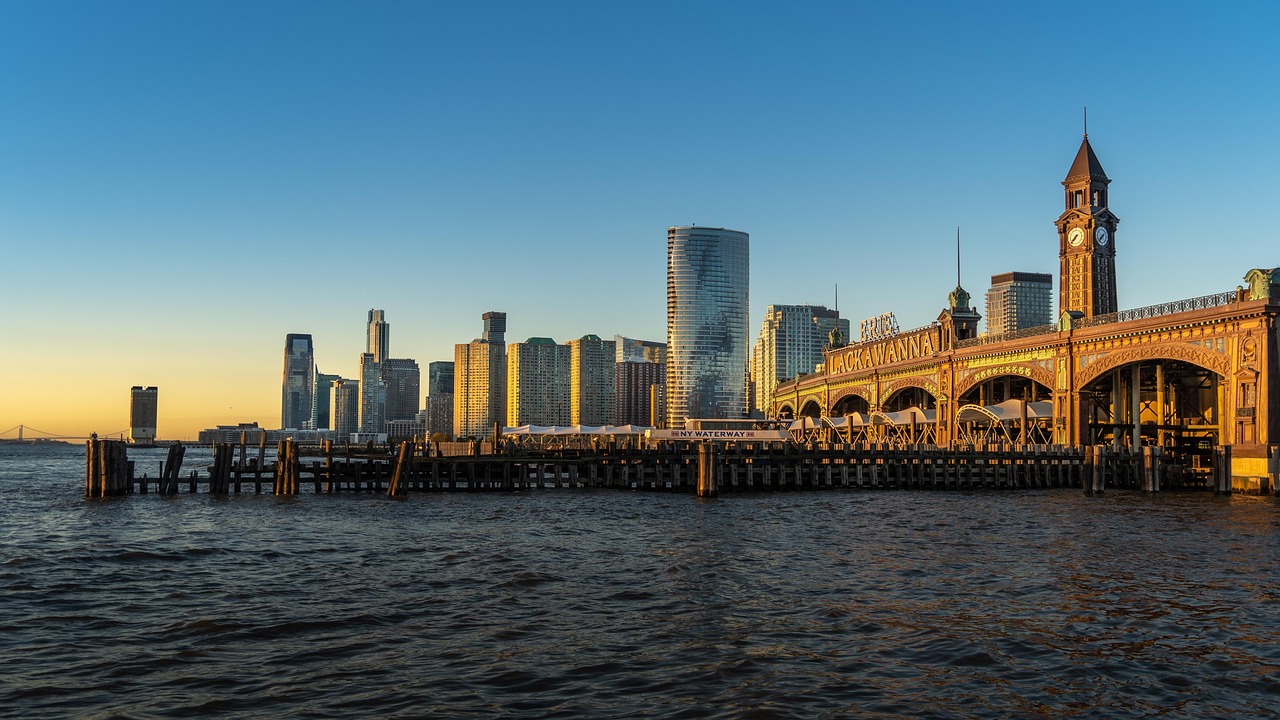
Originating from Istanbul, a city renowned for connecting two continents—Asia and Europe—the idea of serving as a bridge between worlds is not new. In much the same way, New Jersey stands uniquely between New York City and Philadelphia, blending opportunity, culture, and lifestyle from both metropolitan influences. They both sit at these strategic crossroads, blending identities rather than belonging to just one side. Istanbul’s continental duality mirrors New Jersey’s metropolitan duality. While Istanbul mediates between East and West, New Jersey functions as a corridor between America’s financial capital and its birthplace of independence. Geography, in both cases, is destiny.
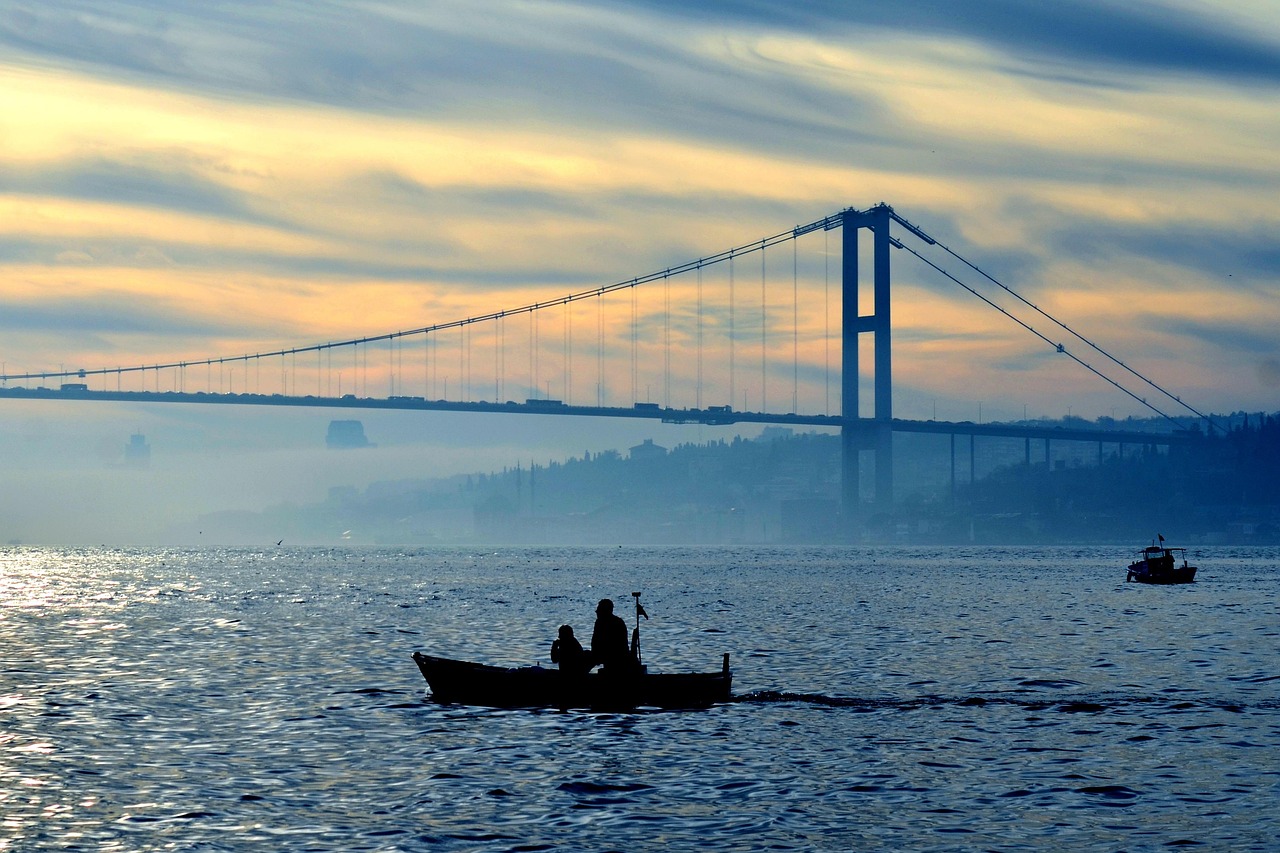
“Culture crossing from Europe to Asia on humble wooden skiffs.”

Smart real estate decisions begin with the history…

It still matters today because that early division helped shape why New Jersey often feels like two cultural worlds—pulled between New York and Philadelphia—creating different lifestyles, accents, commuting patterns, and even attitudes depending on where you live.

From a real estate perspective, this is one of the earliest reasons that  “Location” in New Jersey truly matters!
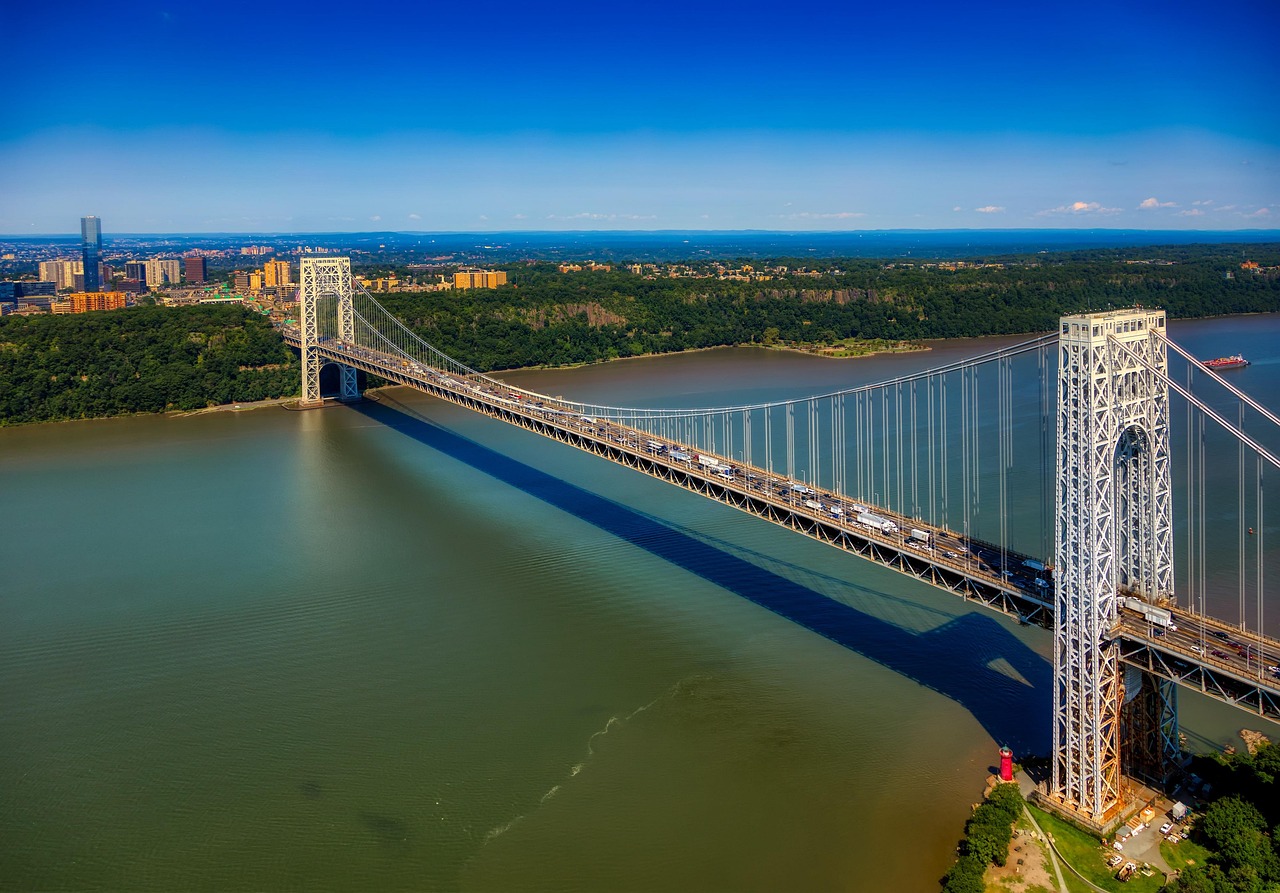
“Suspended between New Jersey and New York, the George Washington Bridge stands as a monument to movement, migration, and exchange.”

The Soul of the Matter

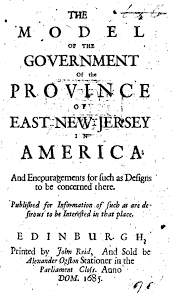
New Jersey was divided not by those rivers or ridges, but by ideas. It became an experiment in competing visions of governance within the English colonial world — a quiet ideological border drawn across a single landscape.

On one side stood West Jersey, shaped by Quaker principles of liberty, conscience, and representative government. On the other stood East Jersey, guided by more traditional proprietary authority and hierarchical structure.

Bringing these two philosophies together was neither simple nor seamless. The division created confusion, disputed land claims, and political instability. Uniting them required compromise, patience, and time.
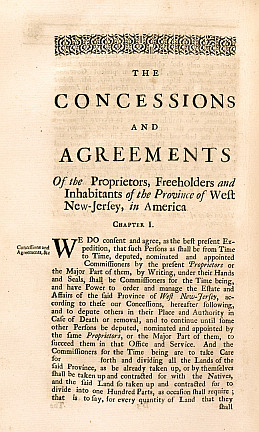
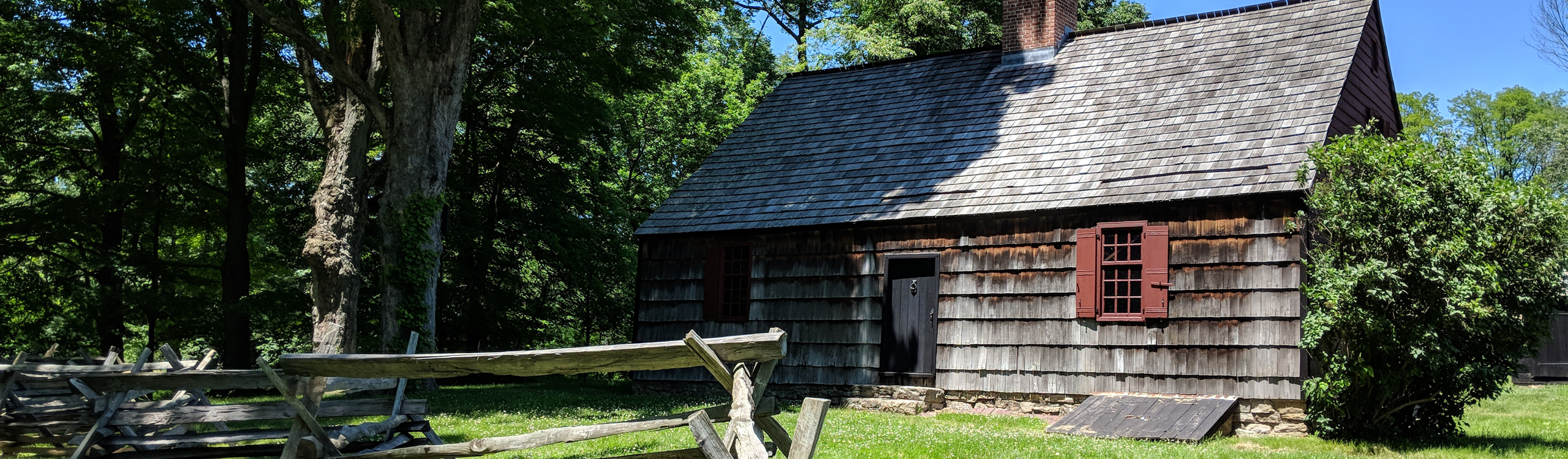
               

The pull of East and West & “The First Title Transfer of New Jersey”

In the mid-1600s, the English were hungry for more land in the Americas. Across the Atlantic, the Dutch controlled a bustling colony called New Netherland, with its jewel, New Amsterdam, at the tip of Manhattan. But England, rising in power under Charles II of England, wanted to dominate the Atlantic coast.

New Jersey was born and christened on June 23, 1664, across the Atlantic, Charles II signed the papers that would change the map of the Americas. A vast tract of prime land between the Hudson and Delaware Rivers -the territory that we now call New Jersey — riverside views, fertile soil, and endless potential — was officially handed to James, Duke of York. But James had a vision: this land wasn’t just property, it was a legacy. He transferred it to two trusted developers, George Carteret and John Berkeley.

Carteret named it New Jersey, giving the colony a brand with prestige — echoing the island of Jersey that he defended in the English Channel during the British Civil War, a symbol of governance and opportunity. Soon after settlers arrived, some from Europe, seeking religious freedom, while others were attracted by the promise of land. It was like early investors at a grand property opening, staking claims, building homes, farms, and towns.

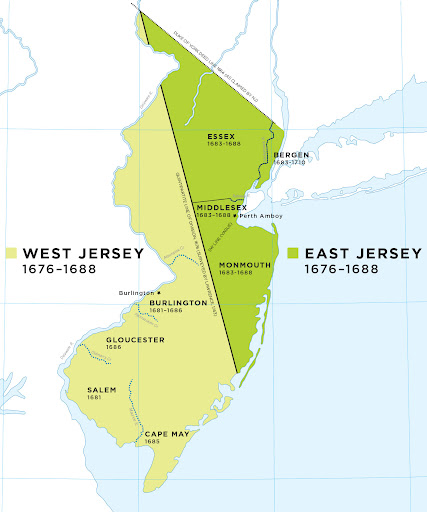
New Jersey was divided into East Jersey and West Jersey in the late 1600s, and the reason was mostly ownership, politics, and religion rather than geography.

But life wasn’t smooth — the territory was divided,  governed differently by Carteret and Berkeley, with one side favoring Quaker liberty and the other more traditional rule. Each side of the colony had its own “HOA rules”: one leaning toward Quaker freedom, the other toward structured authority. It was a development project like no other, a bold test of planning, vision, and community building. It was an experiment in governance, and the two halves weren’t always easy to combine. It would take decades for New Jersey to become the unified colony we recognize today.

West Jersey, stretching across the southern and southwestern reaches of today’s state, was once described as a vast wilderness — nearly 4,500 square miles of forests and open land, with no more than 400 settlers scattered throughout. It was raw, untamed, and full of possibility.

Meanwhile, Newark in East Jersey — part of the roughly 3,000 square miles that now form northeastern and central New Jersey — held nearly twice that population. Smaller in size, yet denser with ambition, East Jersey was already forming structured communities and active towns.

For twenty-six years, this narrow strip of land lived a divided life: two colonies, two governments, two capitals — two visions of what the future could be. Then in 1702, the experiment ended. The lines faded. The colony reunited.

From wilderness and scattered settlements to one united province — New Jersey’s story has always been about land, leadership, and learning how to grow together.

By 1702, both halves were reunited as a royal colony, but the New Jersey we know today didn’t emerge overnight. Its unity was carefully built over time, through negotiation, adaptation, and the slow forging of a shared identity from once-divided ground.
Just as every home carries the imprint of every renovation, every addition, every story layered into its walls, New Jersey carries the imprint of its divided beginnings. The split between East and West did not disappear — it became the framework. The early agreements, the competing visions, the struggle to reunite — they poured the concrete of what would become thriving neighborhoods, enduring towns, and communities rich with identity.

History here isn’t something buried beneath the soil. It is the soil. It shaped the streets, the ports, the farms, the city blocks. To understand that foundation is to understand value — not just of land, but of legacy.

Finding the right home isn’t only about square footage or location. It’s about knowing where your story fits into a place built on centuries of resilience and reinvention. New Jersey is a place where deep history supports modern living — and when you choose to live here, you’re building your future on something strong, proven, and enduring.

History did not disappear — it laid the foundation

Where history meets home — lay your roots on New Jersey’s timeless foundation