Highlands isn’t chasing a trend; it’s choosing a landscape that resists trends.
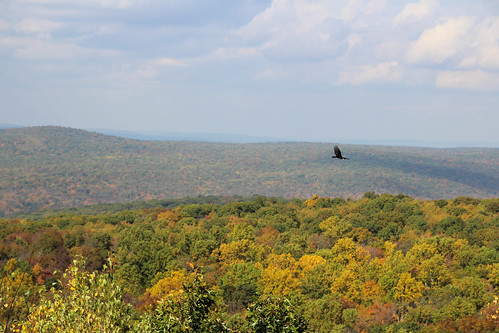
Over the centuries, long before property lines and town borders, these ridges formed the backbone of early New Jersey. Their elevation, forests, and iron-rich soil shaped how the state developed, where roads ran, where farms settled, and where industry first took hold. The ancient rock beneath the surface remained unchanged and unmovable, quietly supporting everything built upon it. When you look east from the top of the Kittatinny Ridge, you’ll see a series of irregularly shaped, wooded mountains on the far side of the valley. Those are Pochuck Mountain and Pimple Hills. It’s where New Jersey’s Highlands begin.
The Highlands are the oldest part of New Jersey, which appeared when boulders were pushed slowly upward from the floor of the prehistoric sea 2 billion years ago. Time rounded and smoothed the high mountains and then covered them with forests. Beneath the surface, the original hard rock remains.
Many towns in Sussex, Morris, Passaic, Somerset, Hunterdon, Warren, and Bergen Counties sit right in or along the Highlands. They feel more wooded, private, and eternal, compared to other parts of the state. The stability of those towns matters to buyers who think long-term. Wooded backdrops, long driveways, quiet mornings, and the sense that the land will look much the same years from now as it does today.
In real estate, places that endure are the ones that continue to appreciate…
The Landscape That Set the Boundaries
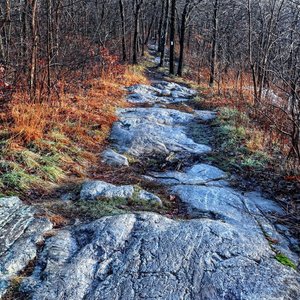
The Highlands became the source of iron, water, and timber, fueling colonial industry while quietly resisting urban sprawl. As cities grew outward, the Highlands remained largely intact; Not by accident, but because the land itself set limits. Steep terrain, protected watersheds, and deep forests slowed development long before preservation laws ever existed.
These towns didn’t grow around highways; They grew around land, water, and work. Estates, farms, ironworks villages, and historic downtowns remain because the Highlands demanded patience.
From a real estate perspective, that’s the quiet power of the Highlands: You’re not buying into a manufactured setting; You’re stepping into a landscape that has already proven its ability to endure.
This is the place where “Geography Protects Investment.”
The Ice Age Changed Everything: How Glaciers Shaped New Jersey Highlands and Its Communities
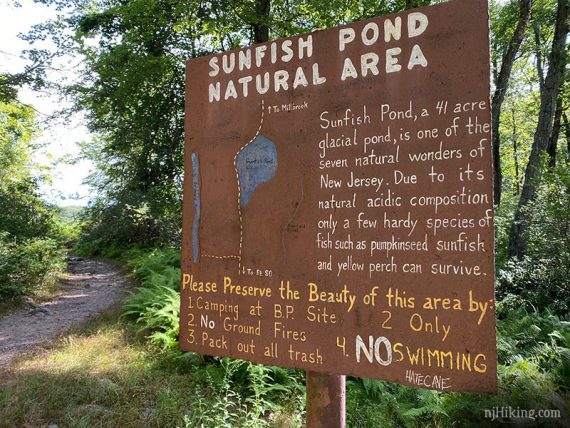
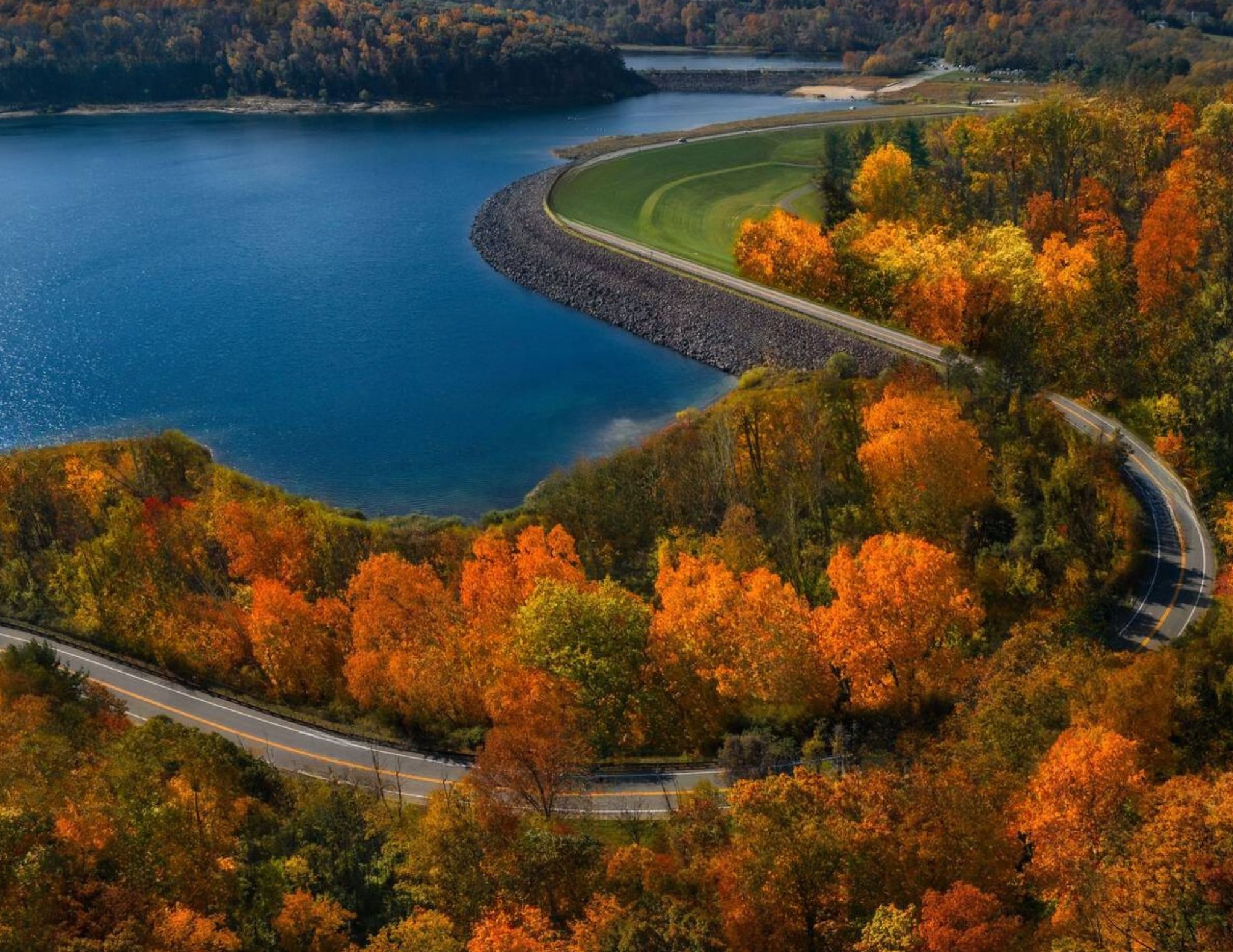

Water shaped the history and development of towns throughout the New Jersey Highlands in profound ways. The New Jersey Highlands act as the state’s natural water tower, quietly sustaining nearly 70% of New Jersey’s population with clean drinking water. Rain and snow fall across these elevated ridges and deep forests, where rocky soils and thick tree cover function like a vast natural filtration system. Water moves slowly through ancient stone and undisturbed earth, emerging clear as it feeds springs, streams, rivers, and reservoirs. Because the land rises high above surrounding regions, gravity carries that water downhill without the heavy reliance on mechanical pumping — a simple, powerful system shaped by geology itself.
In the early days of settlement, water was not only essential for drinking and farming. It was also the engine of the local economy. Mills, forges, and early industries were almost always built along streams and rivers, where flowing water powered grinding wheels, sawmills, and ironworks. Small villages naturally formed around these waterways, and communities in places like Bernardsville, Bedminster Township, and Sparta Township grew where reliable water sources made settlement possible. In many cases, the earliest roads and trade routes followed these same rivers and valleys.
But in the nineteenth century, a technological shift began to change everything: the arrival of the railroad. As rail lines spread across the region, industries were no longer forced to remain beside rivers for power or transportation. Factories and businesses could relocate closer to rail stations and expanding markets, gradually shifting the economic geography of the region. While waterways had once determined where towns and industries could exist, the railroad era reoriented growth toward transportation corridors that connected rural communities to larger cities.
Yet even as railroads reshaped settlement patterns, the water itself remained the region’s most valuable resource. Protecting the Highlands became essential because these mountains and forests continued to supply clean water to millions. What may appear today as quiet countryside is actually part of a vital natural system—one where streams, rivers, and reservoirs still sustain both the landscape and the communities far beyond it.
During the Revolutionary War, these ridges shielded supply routes and safeguarded water sources. Today, strict building limitations exist not for aesthetics, but to protect drinking water for millions. Development is limited. Forests must remain intact. Septic density is controlled. Large-scale construction is restricted.
From a real estate perspective, that protection creates something increasingly rare in New Jersey: certainty. Fewer buildable lots mean long-term scarcity, which supports property values. Many Highlands communities experience a balance of higher home prices with comparatively stable tax structures. Buyers are not simply purchasing a house — they are investing in preserved views, protected surroundings, and a landscape that is unlikely to change abruptly.
That is why towns such as Basking Ridge, Bernardsville, Mendham, Peapack–Gladstone, Chester, Harding, Kinnelon, Ringwood, and West Milford feel different. They are not frozen in time; they are intentionally preserved — sustained by water, guarded by law, and strengthened by the land itself.

It is the place where water creates value for your property…