GARDEN STRIP
The economic story of New Jersey is best understood as a three-stage transformation that moved from farms to factories and ultimately to ideas, with each phase reshaping both the landscape and the workforce. In the colonial era and well into the mid-19th century, New Jersey was overwhelmingly agricultural.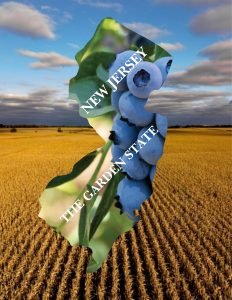 Fertile soils between the Delaware River and the Hudson River allowed farmers to supply food to the rapidly growing markets of New York City and Philadelphia, which is why the state earned the enduring nickname “The Garden State.”
Orchards, grain farms, dairies, and vegetable “truck farms” covered much of the countryside, while small villages grew around water-powered mills and local trading points. Rivers, coastal ports, and canals such as the Delaware and Raritan Canal carried farm goods to market. Agriculture did more than feed cities. It quietly built the foundation for everything that followed. Farming generated the first wealth, supported rural populations that later became industrial workers, and created transportation routes that manufacturers would later use.
When railroads expanded across the state between the 1850s and 1870s, the economy began to shift from agriculture to manufacturing. Firms clustered in urban areas where rail lines, rivers, and labor converged. Cities such as Paterson, Trenton, and Camden became nationally famous industrial centers.
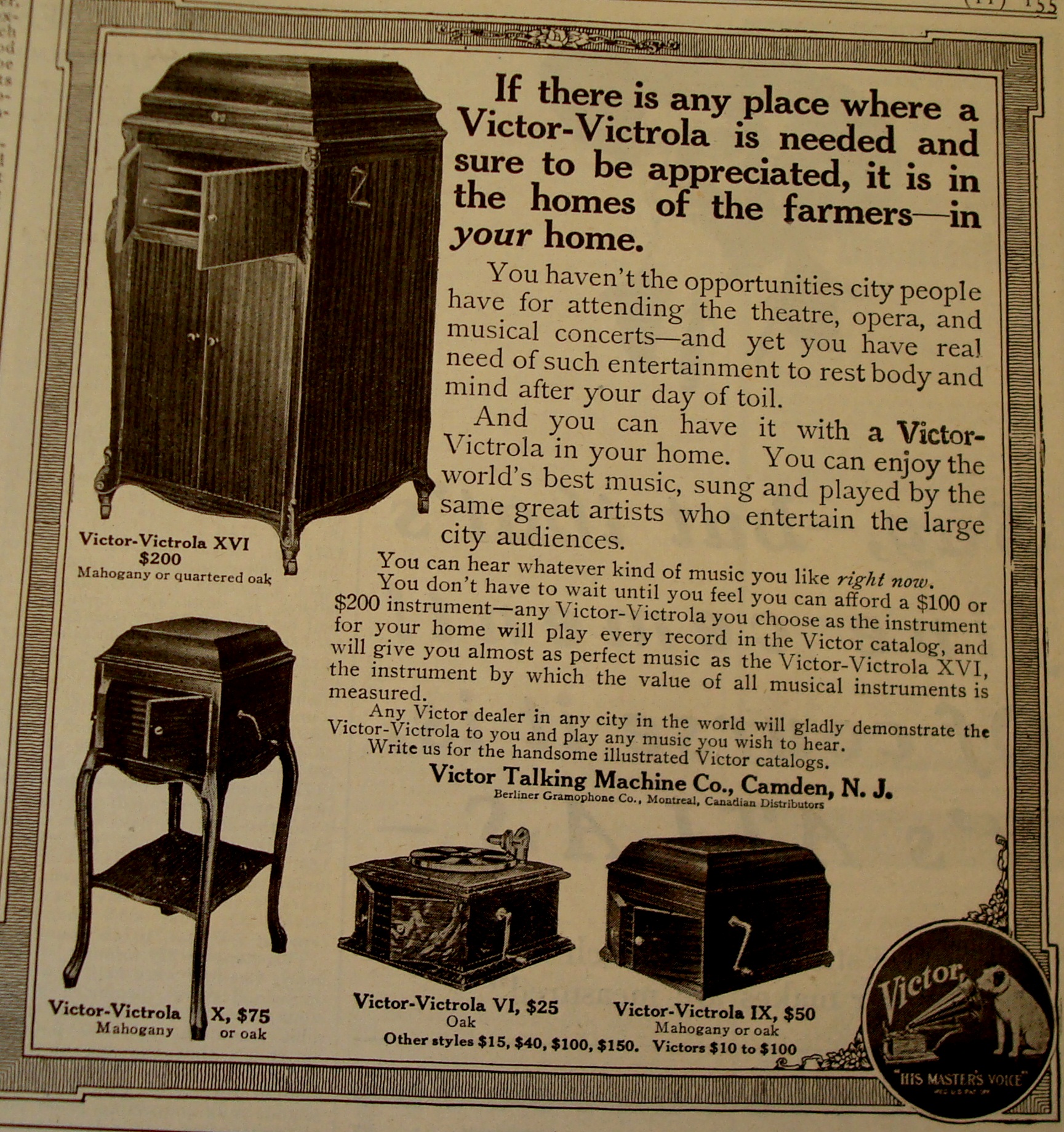
Paterson for its silk mills powered by the Great Falls, Trenton for iron & steel under the slogan “Trenton Makes, The World Takes,” and Camden for sound technology, where the Victrola, which is an iconic early 20th-century brand of phonograph (record player) featuring an internal wooden horn, designed to look like furniture rather than machinery, was manufactured.
In Elizabeth, the Singer Corporation produced sewing machines exported around the world. At the same time, invention itself became an industry when Thomas Edison opened his research laboratory at Menlo Park.
  By the early 20th century, New Jersey had become one of the most densely industrialized landscapes on earth, and urban manufacturing dominated the economy through the end of World War II.
Yet agriculture never disappeared—and that fact turned out to be one of New Jersey’s greatest economic advantages. By preserving farmland and a strong agricultural sector even as cities and factories expanded, the state maintained a balanced economy. Farms supplied food to growing urban populations, stabilized rural land use, and prevented the entire state from becoming a single continuous industrial corridor. This agricultural base also made later development easier: open land, rural infrastructure, and attractive landscapes created ideal conditions for the next transformation.
This Was the Turning Point
Beyond preservation laws, New Jersey also took practical financial steps to make farming economically viable in a rapidly urbanizing state. One of the earliest and most influential policies was the Farmland Assessment Act of 1964,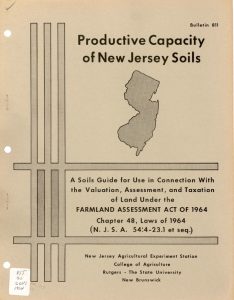 which allowed farmland to be taxed based on its agricultural value rather than its potential development value. This change dramatically reduced property taxes for working farms. Without it, many farmers would have been forced to sell their land because taxes calculated on suburban real estate prices would have been impossible to pay. By easing the tax burden, the state effectively afforded agriculture time to survive during the most intense decades of suburban expansion in the 1960s and 1970s. Building on that foundation, New Jersey created one of the most ambitious farmland preservation systems in the country.
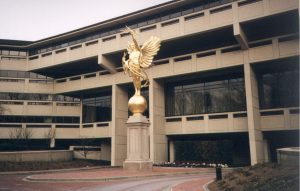
The Spirit of Communication was created in 1916 by sculptor Evelyn Beatrice Longman for AT&T. In front of the Basking Ridge Campus, and now in Dallas.
After this transformation in the late 20th century, New Jersey’s economy shifted one more time by intellectual capital gradually replacing industrial muscle. Corporate research campuses and headquarters moved into suburban landscapes that had once been farmland. Facilities such as AT&T in Bedminster and its global headquarters in Basking Ridge symbolized this new era. These developments legitimized rural and suburban locations as acceptable places for major office complexes and research centers rather than only dense urban towers. At the same time, the workforce itself was changing dramatically: in 1950, the labor force was roughly 70% men and 30% women, reflecting heavy industry, while later participation became nearly 50-50, matching the rise of sectors such as technology, healthcare, finance, and research.
Seen over three centuries, the pattern becomes clear: agriculture did not simply precede New Jersey’s economic development—it made it possible. Farms fed cities, supported early industries, preserved land that later attracted corporate campuses, and continue to supply one of the largest metropolitan markets in the world. In other words, the state’s famous farms did not hold development back—they quietly powered it. The remarkable result is a place where fertile fields, historic factories, and cutting-edge research campuses exist side by side, revealing an unexpected truth: the path from farm to factory to innovation in New Jersey was not a replacement of one economy by another, but a continuous chain where each stage grew out of the soil of the one before it.
This is precisely why the next chapter of the story is so remarkable. In the late 20th century, while development pressure intensified, New Jersey made a deliberate and somewhat surprising decision: it chose to actively protect its farmland. After World War II, highways expanded, suburbs spread rapidly, and shopping centers and subdivisions began replacing open fields across the state. In the 1950s, more than half of New Jersey’s land was still farmland, but by the 1970s and 1980s, it became clear that agriculture could disappear entirely if nothing changed. Instead of allowing that to happen, the state created one of the nation’s most innovative farmland preservation programs.
The Law That Locked the Land
This protection of farmland was formalized through a series of laws, the most important being the Agriculture Retention and Development Act, signed in 1983. This landmark law created the New Jersey State Agriculture Development Committee (SADC) and established the legal framework for the state’s farmland preservation program. With the passage of the Agriculture Retention and Development Act, the state began systematically purchasing development rights from farmers through the New Jersey State Agriculture Development Committee. Instead of buying farms outright, the state could purchase the development rights from farmers. This meant the farmer kept ownership of the land and continued farming, but the land could never be developed into housing or commercial projects. In other words, the soil stayed productive forever, even as land values around it skyrocketed. This approach solved two problems at once: it protected agriculture while also giving farmers financial stability by compensating them for the development value of their land.
Another important law supporting agriculture was the Right to Farm Act, which protected farmers from nuisance lawsuits as suburban neighborhoods expanded into rural areas. Without it, new residents might have forced farms out of business simply by complaining about noise, odors, or farm machinery.
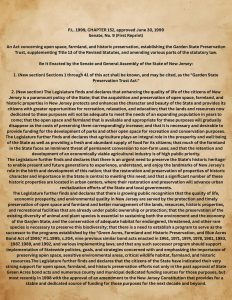
Later, the state strengthened these efforts with the Garden State Preservation Trust Act, which created a stable funding source for preserving farmland, open space, and historic sites. Over time, the state and its counties invested billions of dollars to preserve roughly one million acres of farmland and open space, ensuring that this land would remain permanently dedicated to agriculture or conservation rather than housing developments.
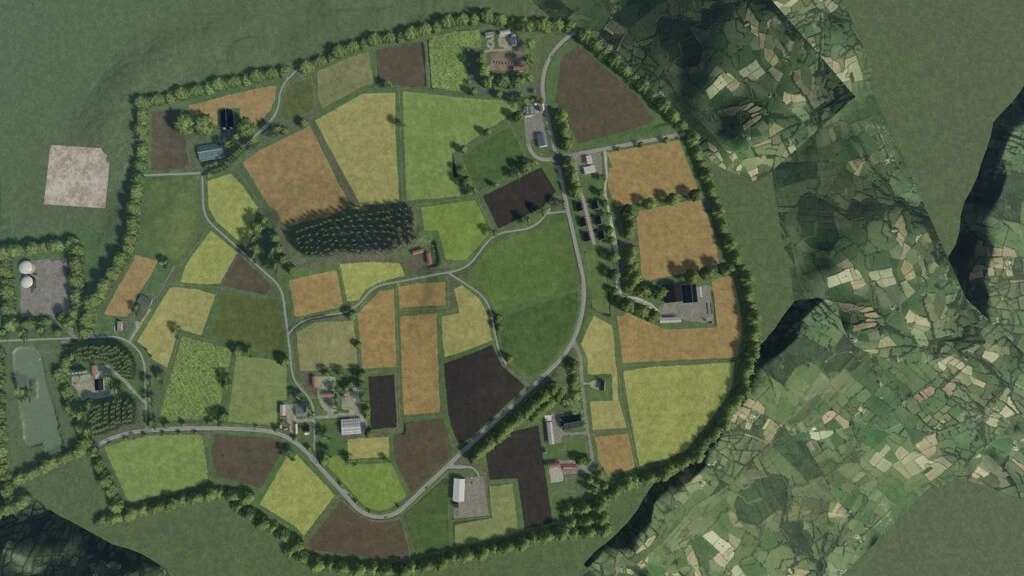
The results of those acts are nationally significant. Through these programs, New Jersey has permanently preserved over 2,800 farms and more than 240,000 acres of farmland, one of the most aggressive farmland preservation efforts in the United States. What makes this especially remarkable is the contrast: the same state that is one of the most densely populated in America also runs one of the strongest farmland protection systems in the country.
New Jersey realized early that farmland was not just rural scenery—it was economic infrastructure. Protecting farms ensured food supply, stabilized land use, preserved landscapes that attract high-value industries, and maintained the very character that later made suburban corporate campuses and research centers attractive places to locate. Agriculture adapted, endured, and became part of the state’s long-term economic strategy. In a place known for highways, suburbs, and corporate campuses, the quiet decision to keep farms alive may have been one of the smartest economic moves the state ever made.
Garden State Gallopers, Horse Breeding in New Jersey
Another remarkable extension of New Jersey’s agricultural strength is the long tradition of horse breeding, which developed naturally from the state’s preserved farmland and rural economy. In New Jersey, horses have been part of the agricultural landscape since colonial times, when farms between New York City and Philadelphia bred strong animals needed for plowing fields, hauling goods, and pulling stagecoaches along early roads. As agriculture expanded, breeding horses became a specialized and profitable activity, supported by the state’s fertile pastureland and moderate climate.
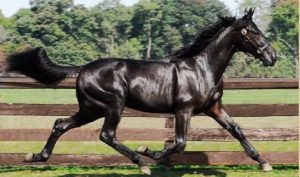
Over time, this tradition evolved into one of the most important harness-racing regions in the country, centered around historic tracks such as Freehold Raceway and later Monmouth Park Racetrack.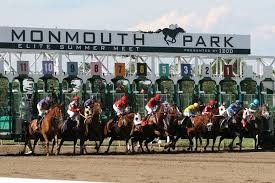
What makes this connection especially interesting is that the same policies that preserved farmland also protected the landscapes necessary for raising and training horses. Without large open fields, breeding farms and training tracks could not exist. As a result, the horse industry became both a product of farmland preservation and a reason to keep farmland alive, supporting rural jobs while maintaining thousands of acres of open land. In a state where development pressure is constant, the quiet presence of horse farms is another reminder that agriculture in New Jersey is not just about crops. It is an entire rural ecosystem that continues to shape the state’s economy, landscape, and identity.
Peapack‑Gladstone in Somerset County serves as a modern continuation of this legacy. The historic Hamilton Farm hosts the United States Equestrian Team training center, where top riders and horses prepare year-round for international competitions, including the Pan American Games and Olympic events. This facility shows how preserved agricultural land not only supports crops and traditional farming but also enables world-class equestrian training, linking New Jersey’s rural past with its ongoing role in global sport.
And perhaps most tellingly, many New Jerseyans are proud to see their tax dollars invested in preserving farmland, knowing that every dollar helps protect farms, open space, and the agricultural heritage that continues to define the state.
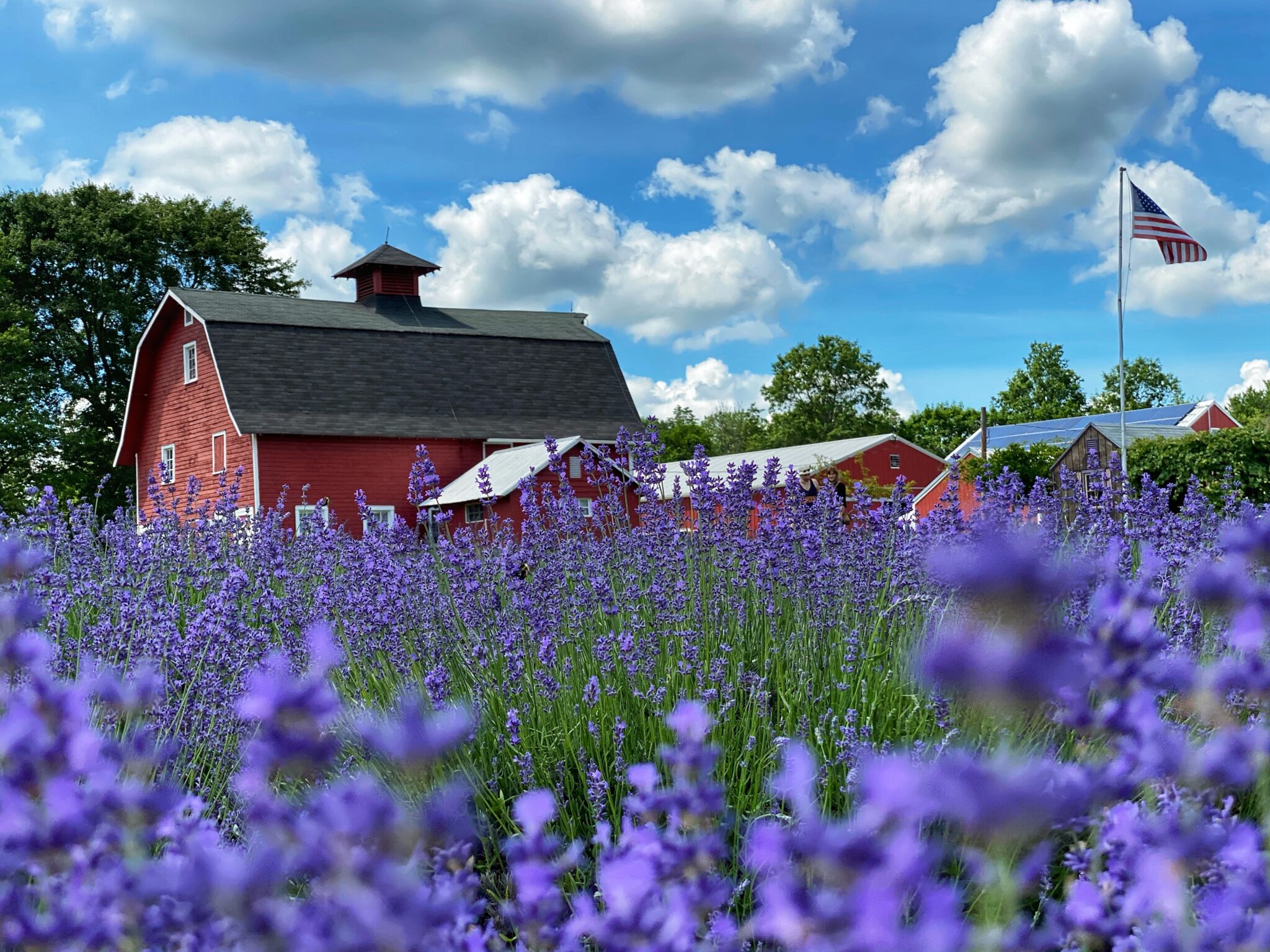
HIDDEN SPRING LAVENDER FARM