
“Where the Land Spoke First”
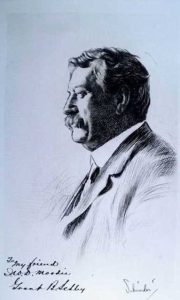
Grant Barney Schley
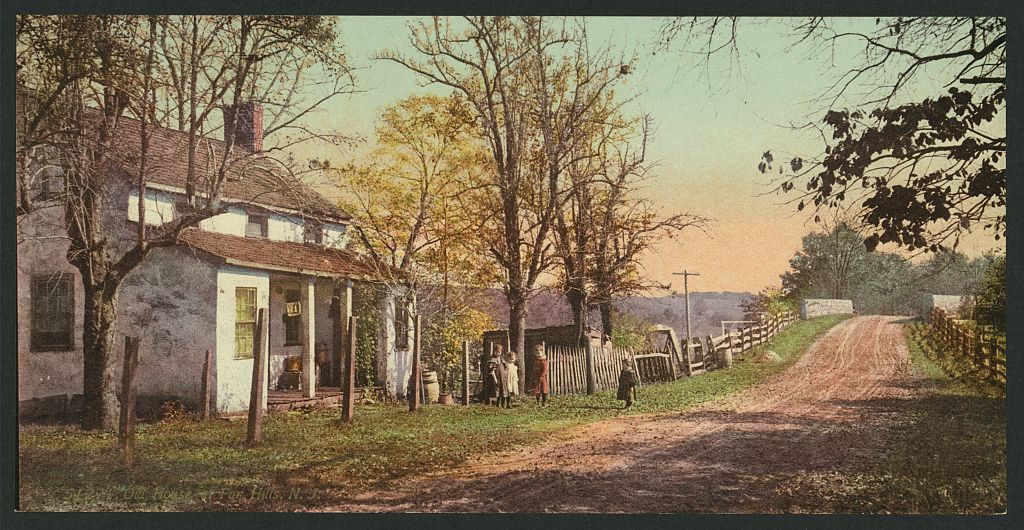
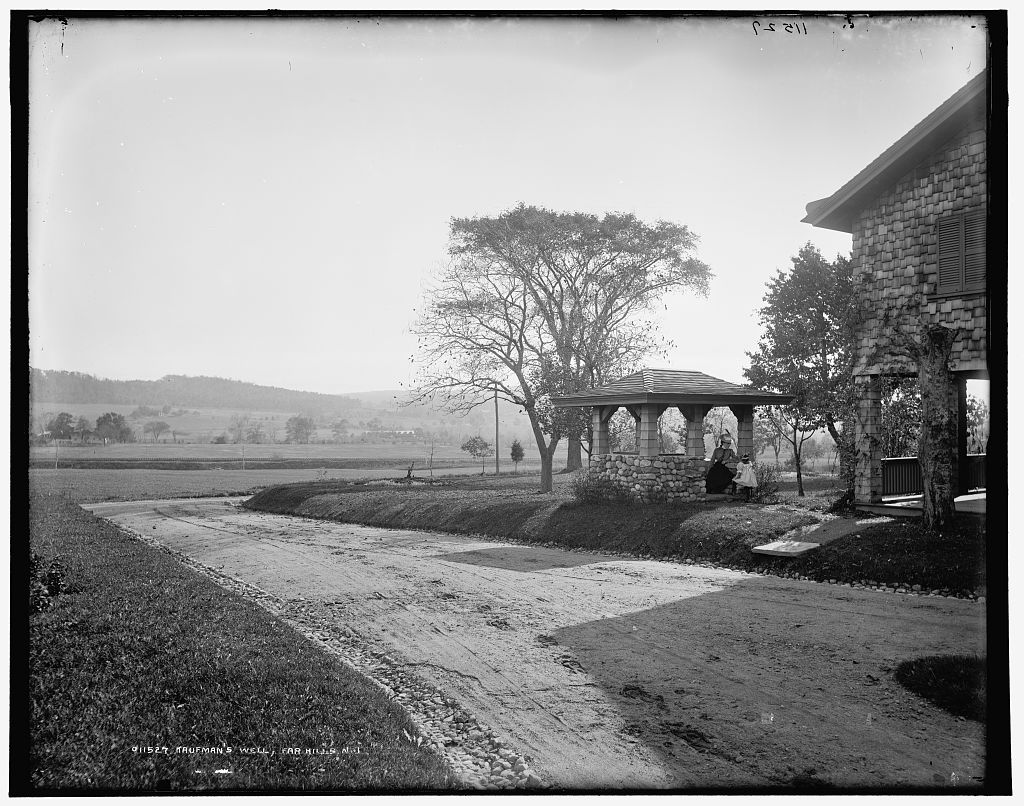
From the fractured basalt cliffs along today’s I‑287 to the ancient Lenni Lenape trails tracing the North Branch of the Raritan River, Far Hills has always been shaped by the land itself. The area’s earliest farms, mills, and meadows set the stage, but its true transformation began in the late 1800s, when Evander H. Schley, a New York land developer, purchased thousands of acres of farmland.
In 1887, his brother Grant Schley and Grant’s wife Elizabeth arrived by horse‑drawn carriage to view the property. When Elizabeth looked out over the sweeping ridgelines and exclaimed at the beauty of the “far hills,” she unknowingly named a future village.
Grant and Elizabeth purchased 1,500 acres, built the estate Froh‑Heim, and set in motion the creation of a community unlike any other in New Jersey.
“When the Train Arrived, Everything Changed”
As soon as they started to live there, through Grant Schley’s efforts, the Delaware, Lackawanna, and Western Railroad Company built an extension line from Bernardsville to Gladstone. Service began in 1890. A train station was constructed at Far Hills…” And the station immediately became the nucleus of a brand‑new village. Within a few years, David Dumont opened a coal and lumber business and became a station agent; L.V. Ludlow opened a meat market and served as the first postmaster; Mark Lance and Richard Potter opened a general store; William Parks set up a blacksmith shop, and Charles Welsh opened a livery stable.
For decades, the station was the arrival point for spectators heading to the Far Hills Race Meeting. Before modern parking fields existed, most racegoers arrived by train, stepping off at Far Hills with picnic baskets, tweed jackets, and field glasses. It was a social scene, a countryside version of arriving at Saratoga Race Course in New York.
This connection between rail and equestrian culture is part of what gives Far Hills its enduring prestige. The station did not just bring people. It brought commerce, jobs, and the first true sense of community.
This single act transformed the area. What had been farmland suddenly became accessible countryside. A place where city families could escape the heat, build estates, and create a new kind of rural lifestyle.
Today’s station was rebuilt in 1914 in a Renaissance Revival style with a Spanish tile roof, arched windows, glazed green tile in geometric patterns, and poured concrete walls. It was very unusual and advanced for its time. In 1984, it was listed on the National Register of Historic Places, honored for its architectural distinction and its influence on the character of the Somerset Hills.
“The Moment Far Hills Chose Itself”

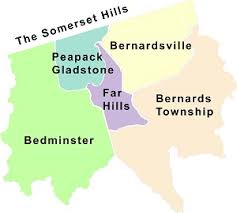
Far Hills was originally part of Bernards Township. But in the early 20th century, the community had developed a distinct identity shaped by large estates and hunt country culture, a small, concentrated village center around the train station, different infrastructure needs than the more suburbanizing parts of Bernards, and a desire for local control over land use, zoning, and services.
In 1921, residents voted overwhelmingly to form their own independent community — 117 in favor, 15 opposed — creating a five‑square‑mile enclave defined by dramatic terrain, geological history, and a rare sense of place to incorporate as an independent borough. This was part of a broader New Jersey trend at the time: estate‑era communities breaking away from larger townships to preserve their character, manage their own schools and services, and maintain lower‑density zoning.
For Far Hills, incorporation was a way to protect its open land, equestrian traditions, and quiet village scale, values that still define it today.
“A Lifestyle Built Before the Houses”
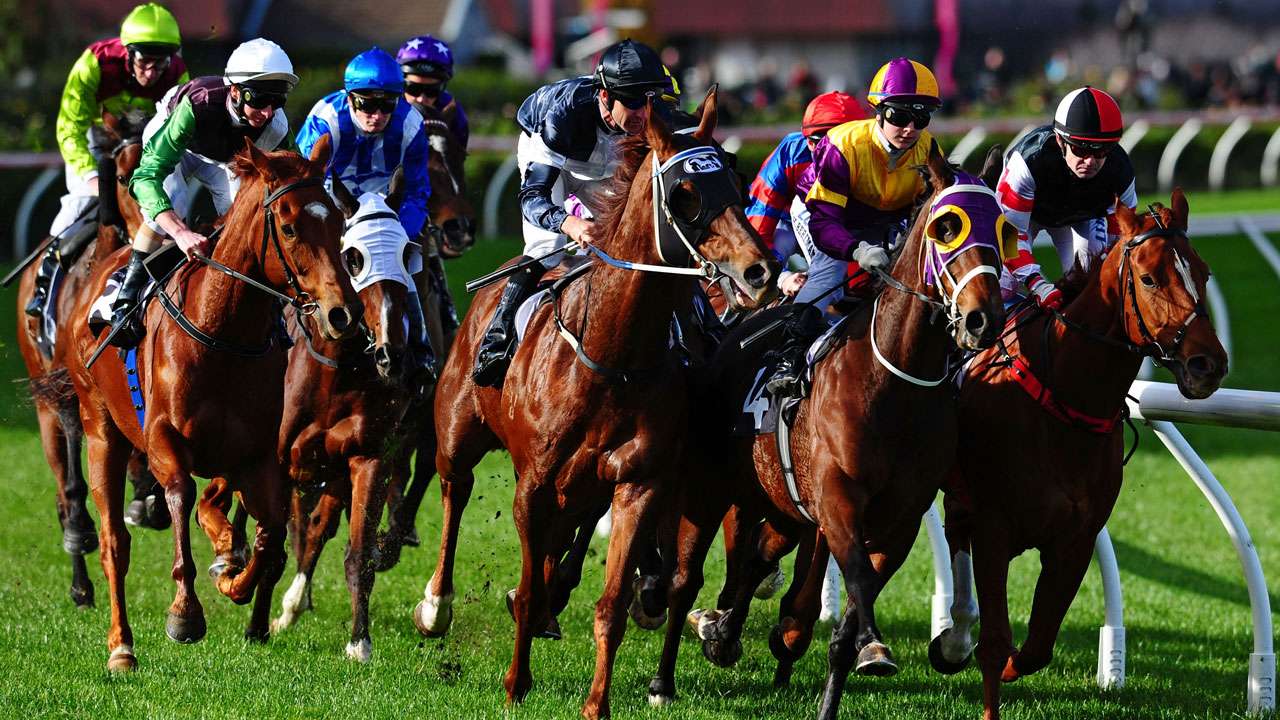
The town grew not through density, but through design. Grant Schley personally funded and built the institutions that would anchor the village: A school, church, firehouse, social club, and recreational fairgrounds complete with barns, stables, and a grandstand.
He also organized the Far Hills Athletic Club, the Somerset Hills Agricultural Association, and the Somerset Hills Bridle Path Association, turning Far Hills into a hub of equestrian and country‑sport culture long before it became synonymous with the Essex Fox Hounds and the iconic Race Meeting.
This was not just a town. It was a curated lifestyle.
“The Luxury of Land, Protected by Law”
“The Rails, the Road, and the Ride”
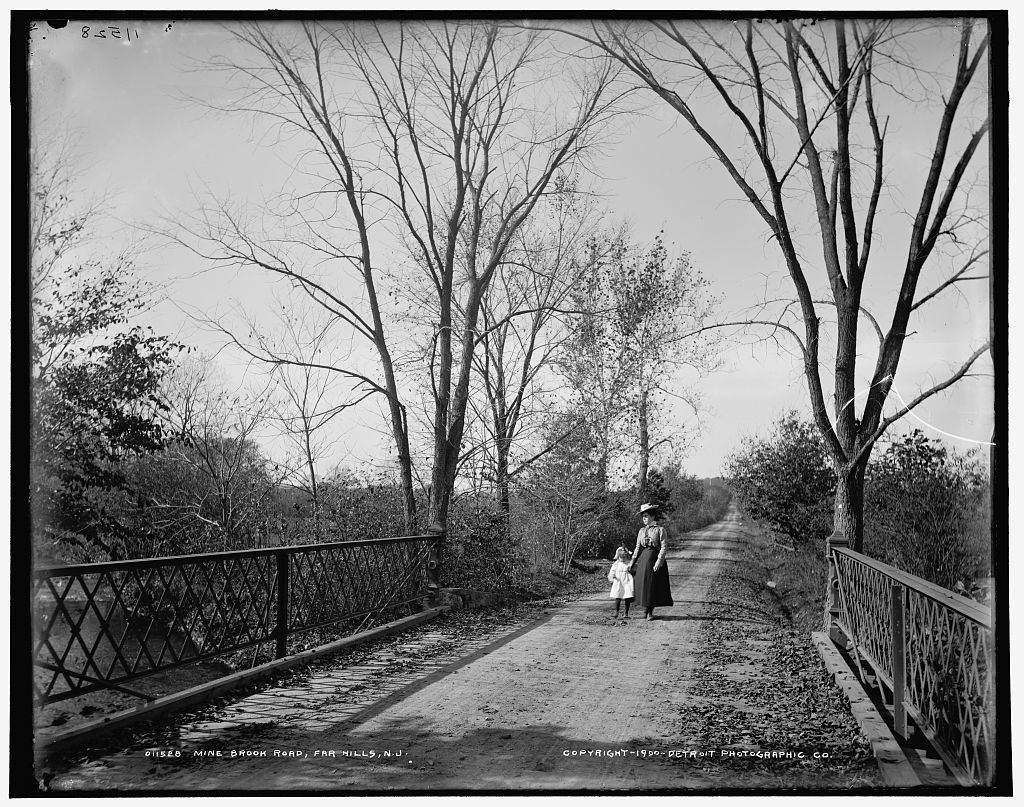
The arrival of the railroad in the 1890s opened Far Hills to city residents seeking country estates, marking the beginning of a new era. Decades later, the construction of I‑287 in the 1960s added regional connectivity, yet the absence of exits within the borough preserved its quiet, secluded character. This rare balance of accessibility and retreat remains one of Far Hills’ most compelling real estate advantages. From the early fairgrounds to the relocation of the Essex Fox Hounds Race Meeting to Froh‑Heim in 1921, Far Hills has long been synonymous with equestrian tradition and countryside sport. This heritage continues to elevate the borough’s profile, attracting buyers who value land, lifestyle, and legacy.
“Where Heritage Shapes the Horizon”