Fascinating History of Bedminster Township

Bedminster’s history begins in 1710, when Dutch, German, and Scots‑Irish settlers carved out farms across the Somerset Hills. By 1749, the township was officially established by Royal Charter under King George II, a rare distinction that still gives the area its quiet sense of heritage.
When settlers named the New Jersey township in the early 1700s, they weren’t just choosing a random English place name. Here in Bedminster, they were referencing a large and influential parish with deep medieval roots, one that once controlled what is now Bristol. In other words, the name originally referred to a major ecclesiastical territory, not a small rural hamlet.
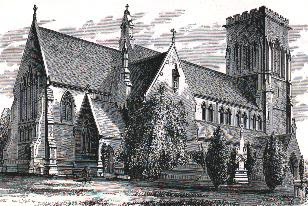
St John the Baptist, BEDMINSTER, Bristol
The English Bedminster appears in records as early as the Domesday Book of 1086, under spellings like “Betministra” and “Bedmynstre. “The name comes from two Old English elements. Beda is referring to an early landowner or religious figure. Mynster, meaning “minster,” is a church or monastic center. “Beda’s minster,” the church or settlement belonging to a man named Beda. This tells us the English Bedminster began as a religious or administrative center, not just a village. That is the historical weight of the name “Bedminster”, which carries a sense of heritage, structure, and community identity, qualities that still echo in the township’s character today.
For more than a century, Bedminster remained a quiet agricultural community, its landscape defined by open fields, mills, and small villages like Pluckemin, Lamington, Pottersville, and Bedminster Village. Even as late as the 1890s, the Somerset Hills were still primarily farmland until the arrival of rail service, which suddenly made the Somerset Hills accessible to wealthy New Yorkers seeking country estates.
This early influx of “city‑to‑country” buyers is one of the first examples of suburban migration in New Jersey. A pattern that still drives the local real estate market today.
Revolutionary War Significance
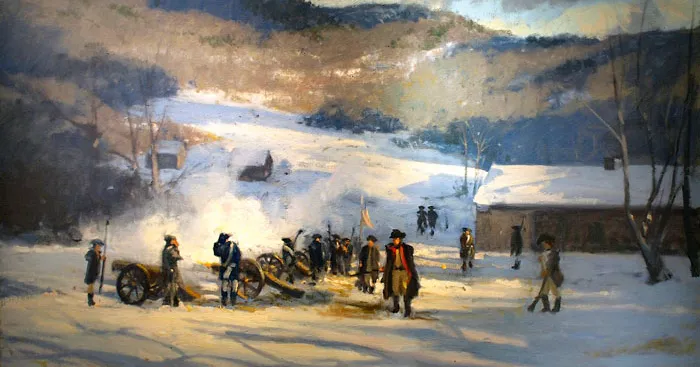
One of Bedminster’s most extraordinary historical assets is the Pluckemin Continental Artillery Cantonment, considered the first organized military training academy in the United States, predating West Point. The site is on the National Register of Historic Places and remains one of the most important Revolutionary War archaeological areas in the country. Archaeologists uncovered evidence of a sophisticated military complex with classrooms, laboratories, and even officer housing, essentially America’s first “Pentagon‑in‑the‑making,” right in Bedminster.
The Landscape That Shaped Its Real Estate
Bedminster’s geography, rolling hills, trout streams, and preserved farmland kept large‑scale industrialization away. Even as highways I‑78 and I‑287 later connected the region to New York and Philadelphia, the township maintained low‑density zoning, which is why its neighborhoods still feel spacious, green, and upscale.
This balance of accessibility and rural character is a major reason Bedminster remains one of Somerset County’s most desirable markets.
A pivotal real‑estate moment came in the late 1960s when the heirs of financier Grant Schley sold Schley Mountain, opening the door for The Hills Development, one of New Jersey’s most significant planned communities. Spread across Bedminster and Bernards Township, it transformed the area into a modern residential hub while preserving large swaths of open space.
The Hills & the Schley Legacy
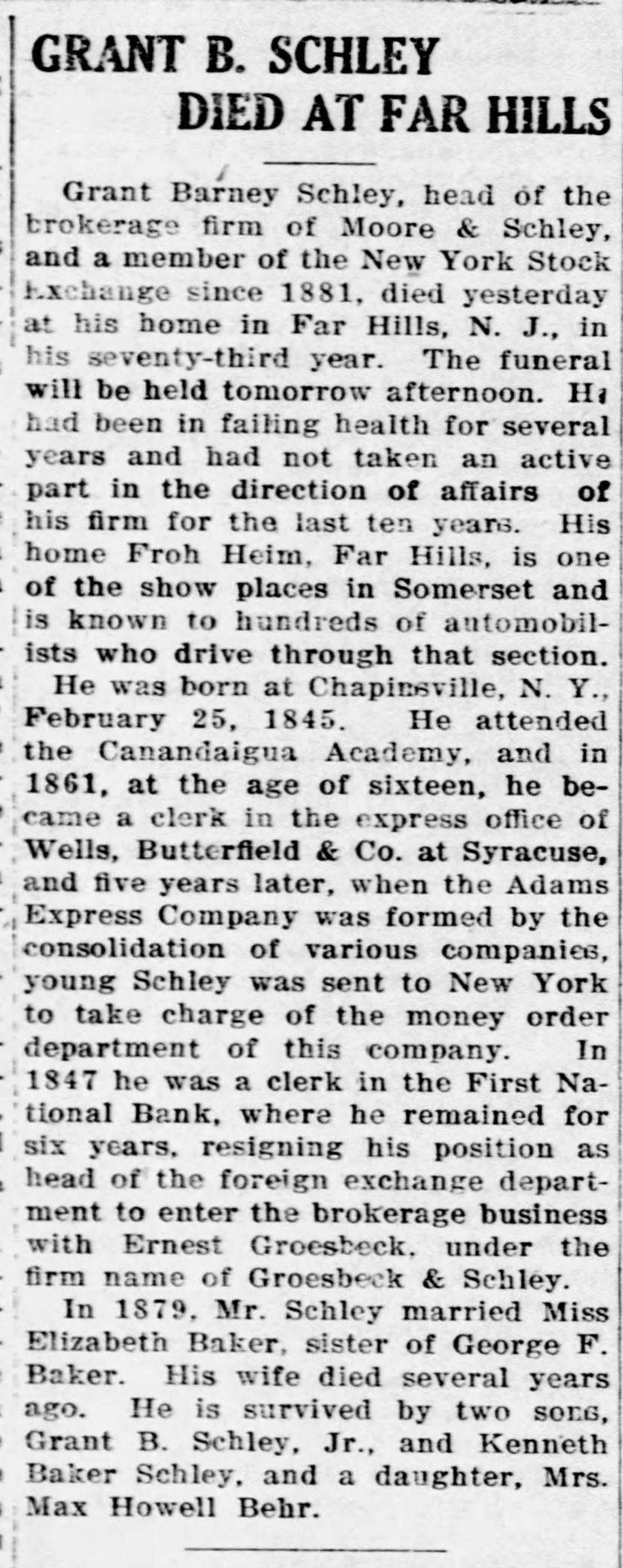
Grant Barney Schley was one of those rare Gilded Age figures whose influence still shapes the Somerset Hills long after his name slipped quietly into history. A New York financier with a sharp mind and a love for open countryside, who represented elite clients like William Rockefeller and Henry Huttleston Rogers, he and his wife, Martha, built their estate on the rolling land that would become Far Hills, a town literally named for the sweeping views from their home. Schley wasn’t just a wealthy landowner; he was a quiet architect of the region’s identity. His holdings stretched across what we now know as Bedminster and Bernards Township, including the ridge later called Schley Mountain.
Decades after his death, his heirs continued to hold vast land tracts. In 1969, the family sold Schley Mountain for $2.2 million — the pivotal transaction that opened the door for The Hills, reshaping both Bedminster and Bernards Township. The sale of that land made possible one of New Jersey’s most ambitious planned communities, The Hills. In a way, Schley never stopped shaping the area. His choices still influence how people live, build, and dream here. The project was financed through a public stock offering, an unusually bold move for a suburban housing project. This was only possible because the Schley family released such a large, contiguous parcel of land, showing how ambitious and forward‑thinking the plan was for its time.
“A Hidden Treasure in the Archives”
Bedminster is also home to beautifully preserved 19th‑century water‑company stock certificates from the early Bedminster Water Company, stored in the Somerset Hills Historical Society archives. These ornate documents offer a glimpse into the township’s early public‑utility history, a surprising and charming detail for such a small community.
“Where Centuries of Story Meet Today’s Buyer”
From a Real Estate perspective, thanks to this amazing history of the town, the longstanding preservation and low‑density planning keep Bedminster’s neighborhoods from becoming overbuilt. The Revolutionary War sites, old villages, and estate‑era architecture add historic charm and character that buyers actively seek. And this diverse housing, from The Hills’ townhomes to equestrian estates, the market reflects centuries of layered development, with the strategic location, thanks to rail and highway access, having attracted residents for over 130 years, a trend that will continue. It’s a community where history isn’t just remembered, it’s built into the land.
On the other hand, selling a home in Bedminster means offering buyers more than a property. You’re inviting them into a community shaped by centuries of intention and care. From its 18th‑century origins to the estate era of Grant Schley, whose Far Hills estate and landholdings helped define the region’s identity, Bedminster has always attracted people who value beauty, privacy, and a sense of place. Even today, the township’s preserved farmland, rolling hills, and low‑density zoning reflect that legacy, creating neighborhoods that feel spacious, timeless, and genuinely connected to the land. Add to that its Revolutionary War significance, including the Pluckemin Cantonment, Bedminster becomes a destination where history and modern living coexist naturally. When you list your home here, you’re not just selling square footage; you’re presenting a lifestyle rooted in authenticity, heritage, and enduring value. That story resonates deeply with today’s buyers, and it’s one of the strongest advantages you can offer.
 Inside Bedminster, the New Jersey Town Home to Trump’s Summer White House